Q4 typically concentrates 30 to 40 percent of annual programmatic revenue for a mid-sized publisher, and the auctions that decide those CPMs reward work you complete in September and October. Retail, CPG, entertainment, travel and finance brands spend down annual budgets between October and December, and they bid up the same impressions that trade the rest of the year at ordinary prices. Publishers who enter October with audited slots, tested floors and sold sponsorship packages capture that pressure. Publishers who wait for November to react capture the remainder.
This playbook lays out the timeline we run with publishers across web, app and CTV/OTT, in every market where Google monetization operates. Each phase has deliverables and dates, and the dates matter more than the tactics. Two mechanisms govern Q4 revenue: direct sponsorship sales need four to six weeks of lead time, and price floor tests need two weeks of clean data. Miss the dates and both mechanisms work against you.
Where Q4 demand comes from and how it moves CPMs
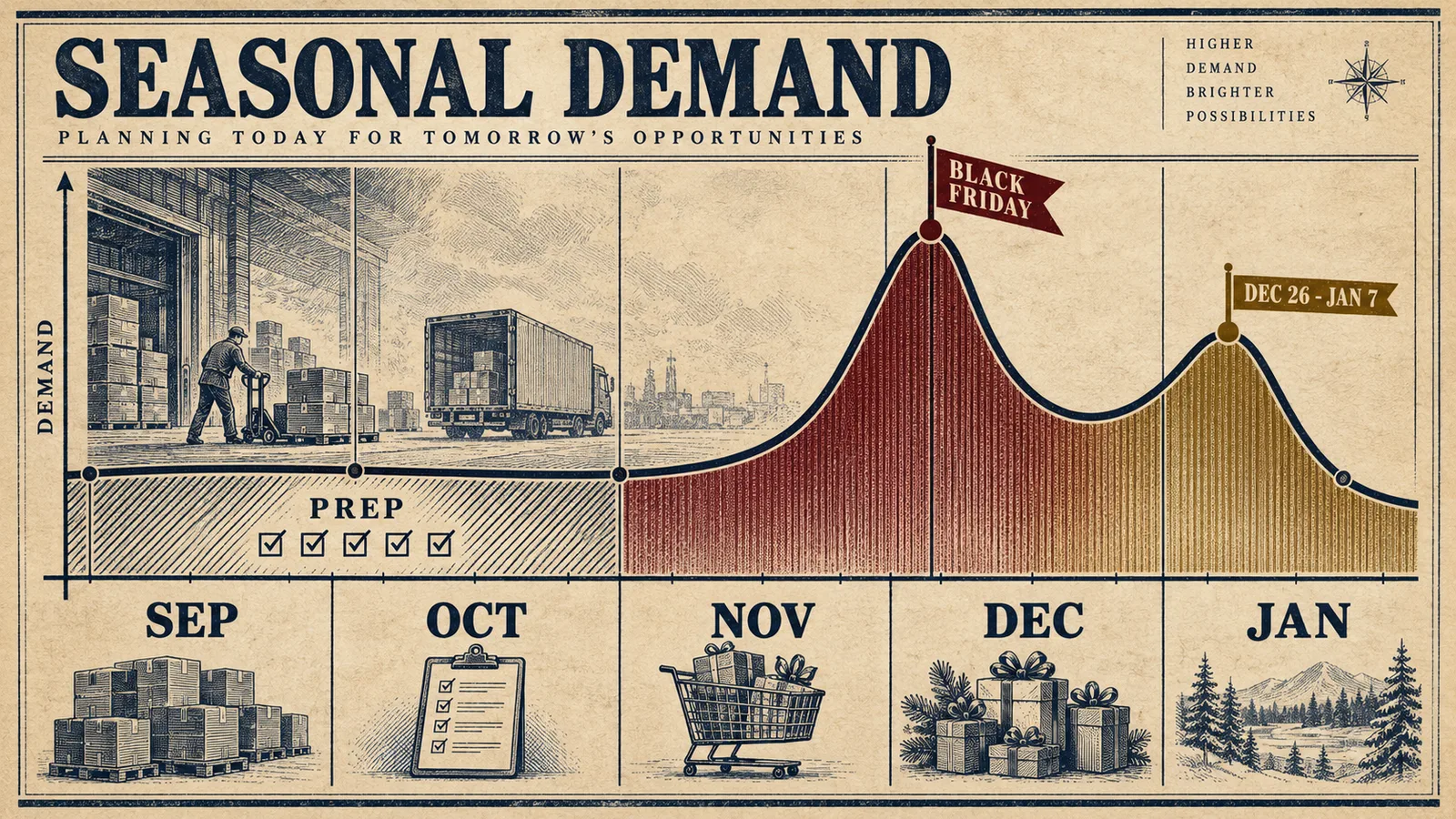
Demand arrives in waves, and each wave has a schedule. Retail demand builds from late October, peaks across Black Friday and Cyber Monday, and tapers sharply after December 20. CPG demand runs steadily from mid-October through the third week of December. Travel demand splits in two: outbound booking demand peaks in November and early December, and post-holiday demand spikes between December 26 and January 7 as consumers book trips and spend gift money. Finance, fitness and insurance demand rises in January, which makes December 26 into mid-January a second, smaller yield window that most publishers leave unplanned.
The spend keeps growing into this window. European digital ad spend benchmarks from IAB Europe show the AdEx Benchmark 2025 recording 10.5% growth to EUR 131 billion across European markets, and holiday quarters consistently outperform the annual average in every major market. Growth at that scale does not merely raise bids from the same bidders; it adds bidders to each auction.
Auction mechanics amplify the seasonal effect. When a wrapper sends one impression to Prebid adapters, OpenRTB-based exchanges, Google AdX demand and a direct deal at the same time, the clearing price reflects the highest bid in the stack rather than any single partner's estimate. In November, bid density on retail and gifting audiences can roughly double against September baselines. A floor that was correct in September then suppresses revenue, because it accepts bids the market would have beaten. We treat floors as a Q4 project for exactly this reason.
Device and format mix shift as well. Mobile share rises through November as shopping moves to phones, app session depth grows on evenings and weekends, and connected TV viewing climbs from mid-December as living-room screens take over from shopping behavior. Publishers who hold web, app and CTV formats can rebalance priority toward whichever surface the calendar favors, and that rebalancing often earns more than any single floor change.
Creative quality also moves. Q4 brings the year's highest production values and its worst offenders at the same time, because late-quarter buyers push aggressive creatives to hit remaining budgets. Our ad sources hold strict quality standards and filtering, and those filters earn their keep in December when autoplaying, misleading and heavy creatives otherwise clear on volume alone. Filtering protects the user experience that sustains viewability, and viewability sustains CPM.
The Q4 timeline at a glance
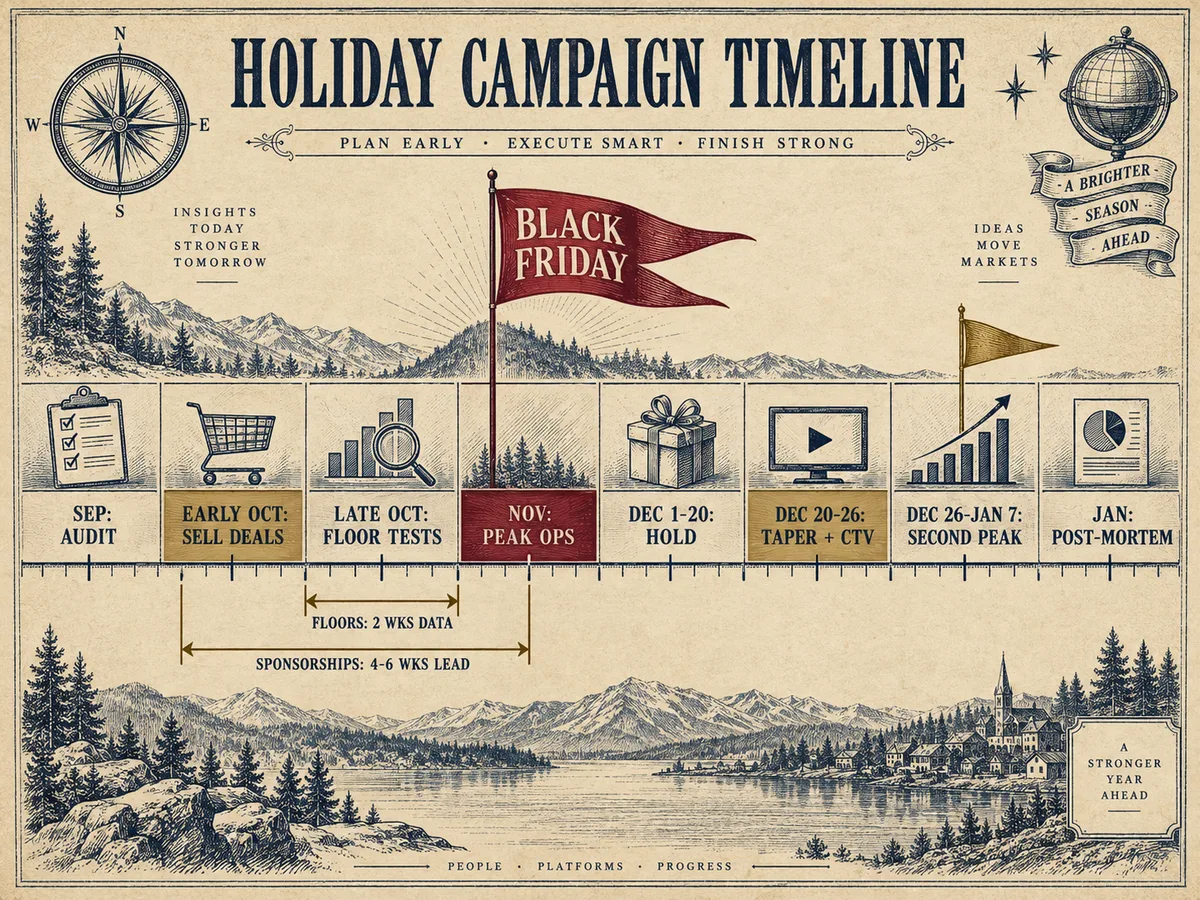
The playbook runs on a weekly cadence, and each phase feeds the next. Skipping a phase costs yield downstream: sponsorship sales need lead time, floor tests need baselines, and content plans need to exist before anyone can sell against them.
- September, weeks 1 to 4: inventory audit, viewability fixes, compliance verification, forecast baseline.
- October, weeks 1 to 2: package seasonal inventory and sell sponsorships through our Direct Deals desk.
- October, weeks 3 to 4: floor testing, demand stack tuning, editorial calendar lock.
- November: daily yield operations, floor review, direct deal delivery and pacing.
- December 1 to 20: sustain peak settings and monitor delivery.
- December 20 to 26: taper display floors, shift priority toward CTV and app.
- December 26 to January 7: second peak on travel, finance and fitness demand.
- January, weeks 1 to 3: settlement, make-goods, post-mortem, next-year forecast.
Two structural facts set these dates. A sponsorship pitched on October 15 delivers in November, while the same sponsorship first pitched on November 15 delivers in January at January prices. Floor changes need about two weeks of data to read cleanly, so tests that start in November produce answers too late to use. Assign an owner for each phase now, because shared ownership in Q4 usually means November items sit unowned until they turn urgent.
September: technical readiness and the inventory audit
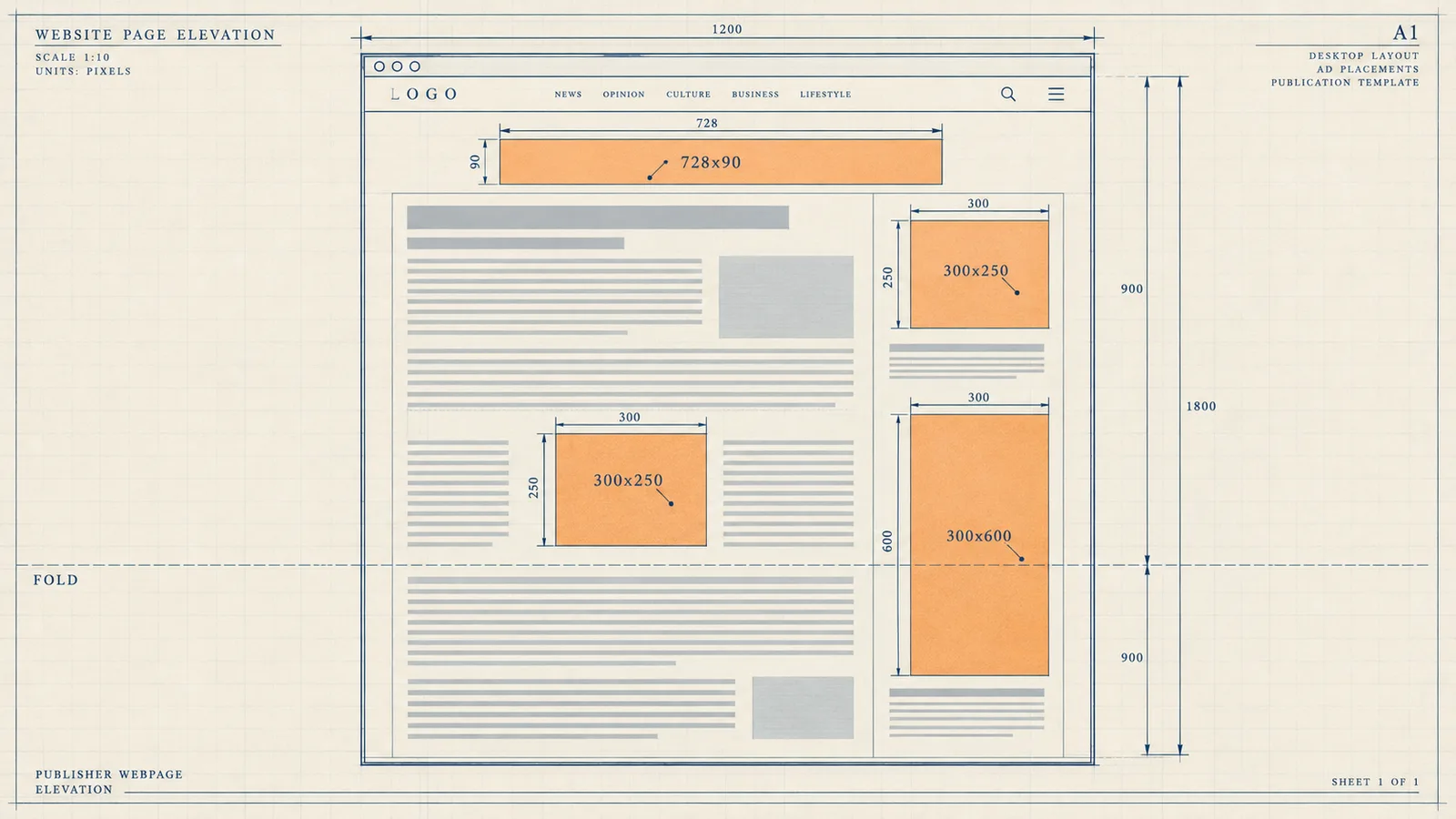
Audit every ad unit before demand arrives. Pull a complete slot inventory from Google Ad Manager, map each slot to its live pages, and fix or retire anything below 50 percent viewability. Correct lazy loading thresholds, because units that load outside the viewport waste Q4 impressions and depress measured viewability. Review ad density against your own standards as well: pages crowded with low-value units bid down the premium slots around them.
Run the compliance pass in the same month. Verify that ads.txt and app-ads.txt list every demand path we activate for you, that sellers.json entries match your declared inventory, and that the SupplyChain object passes intact through every hop. Buyers discount or reject supply with broken chain records, and in Q4 they hold enough alternative inventory to reject it silently. Confirm consent handling too: TCF strings for EEA and UK traffic, and Global Privacy Control signals wherever your properties receive them. Missing consent in November means lost bids, not merely lower bids.
Check rendering performance while you are in the pages. Slow ad calls delay bids, shrink the auction window and depress both fill and viewability. Trim heavy creatives from default line items, cap the size of allowed assets, and confirm that your top templates render without layout shifts. Do this in September, when a fix has six weeks to stabilize before peak traffic.
Then build the forecast. Google Ad Manager seasonality guidance documents how seasonality events adjust forecasts for predictable fluctuation patterns, so your Q4 projection reflects the holiday spike instead of smoothing it into a flat average. Model three scenarios: conservative, expected and stretch. Ground the stretch case in last year's actual November CPMs by segment, not in this year's hopes.
Baseline your current CPMs, fill and viewability by geo, device and format before anything changes. Every October decision needs a September reference point, and a weekly baseline sheet turns the December post-mortem from guesswork into arithmetic. One person should own that sheet through the quarter, with a standing Monday update.
Early October: packaging seasonal inventory for Direct Deals
Open market demand will find your inventory without help. Sponsorship demand needs packaging, pricing and a sales conversation, which is why we run a dedicated desk for seasonal placements. Direct Deals sponsorships put global and local brand agency budgets directly against your best inventory, and those deals bid highest on your ad spaces because they target your placements by name rather than by audience model.
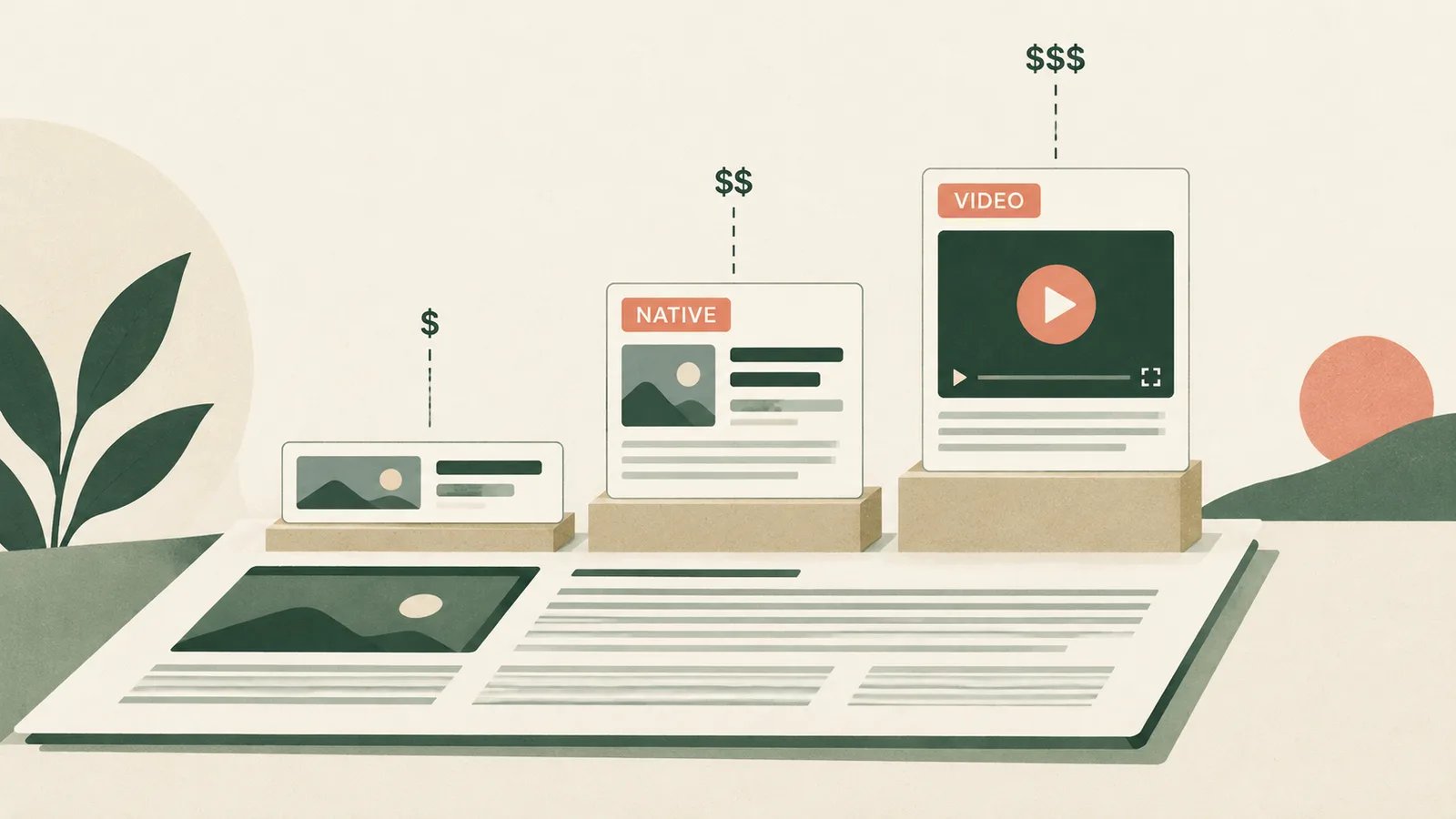
Package what buyers actually want. Homepage and section-front takeovers, category sponsorship of gift guides, Black Friday and Cyber Monday event pages, newsletter placements and video pre-roll all sell in Q4 as fixed-fee or high-floor CPM sponsorships. Give each package a name, an impression estimate, an audience description and a price. Vague inventory stalls in procurement; a concrete offer such as a holiday electronics gift guide sponsorship with 400,000 impressions, 80 percent mobile and a stated floor closes.
Publishers with CTV and OTT inventory should package a binge-season sponsorship as well. Guarantee pre-roll against long-form December viewing, run it through VAST tags, and price it as a fixed CPM deal rather than open market fill. CTV CPMs hold through late December when display demand has already tapered, because living-room viewing peaks exactly when shopping behavior stops.
Content planning belongs in this phase because sponsorships attach to pages that must exist. Google's holiday revenue tips for publishers advises tailoring content to seasonal demand and going native, and the same logic sells sponsorships: a gift guide with a named sponsor converts a seasonal traffic spike into a sold placement before the traffic arrives. Lock the November editorial calendar by mid-October so the desk can sell against specific URLs. Brief editors on the pages that historically carry the highest seasonal search demand, and give the desk a one-line audience description for each.
Mid-October: price floors and demand stack tuning
Test floors against your live stack, one variable at a time. Split traffic 50/50 between a control floor and a test floor, run for two weeks, and read results by segment rather than in aggregate. Move floors in steps of 10 to 20 percent, not doubles. In Q4 you can typically raise floors on high-demand segments: retail and gifting audiences, mobile app sessions and CTV pods clear well above September baselines. Raise a floor too far, though, and open market fill drops while your direct deals keep delivering, which is precisely the situation the deals exist to cover.
Give the demand stack a pre-peak service. Confirm header bidding timeouts sit at 800 to 1200 milliseconds rather than legacy defaults, verify Prebid Server relays app and CTV requests without dropping bidders, and check that Google AdX demand competes on every eligible impression through Google MCM (Multiple Customer Management). We run this configuration as standard across WireAds SSP: Prebid, OpenRTB-based exchanges, Google MCM with AdX access, Authorized Buyers demand and our direct deals all bid in one auction, so the highest bid wins the impression instead of the fastest single partner.
Measure bid density by segment. A 30 percent rise in average CPM can hide a 60 percent rise on retail pages and a decline on community pages. Segment reporting by page type, geo and device shows where floors have room and where the September configuration already performs at its ceiling. Finish this work before the last week of October so November runs on stable settings.
November: peak auction management and live yield operations
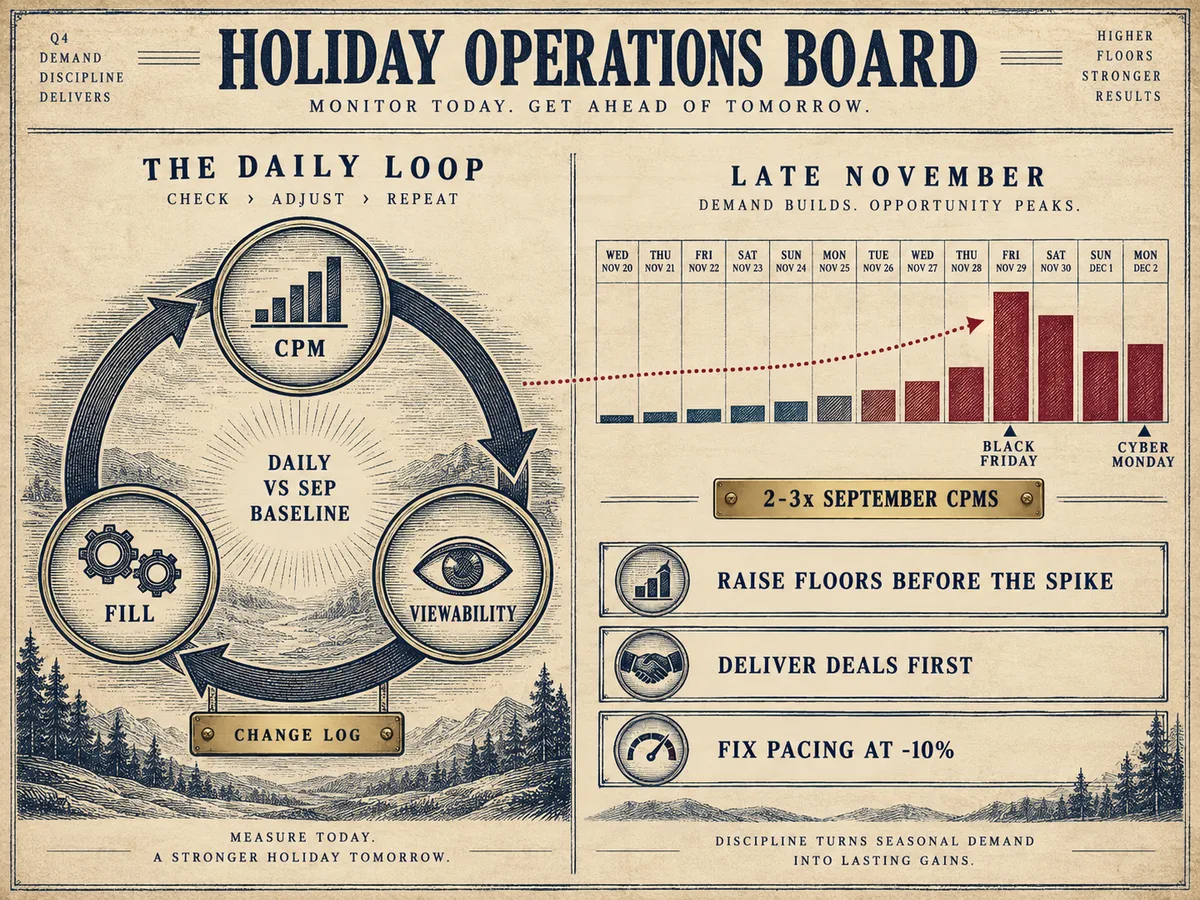
November is an operations month, not a strategy month. The strategy was October; the work now is daily. Review CPM, fill and viewability each morning against the September baseline. Watch for the specific failure modes: a floor raised on October 20 that now suppresses fill, a direct deal pacing ahead of schedule and starving open auctions, or a demand partner quietly dropping bid rate after a creative or policy change.
Black Friday and Cyber Monday need their own runbook. Expect CPMs to spike from the final week of November through the Monday after, with retail audiences typically clearing two to three times their September rates on peak days. Raise floors on high-demand segments before the spike, never during it, because buyers lock campaign settings weekly and mid-spike changes read badly. Deliver direct deals first and let open market compete on the remainder, but check daily that deal delivery does not cannibalize your best open market impressions beyond the guarantee.
Make-goods are the hidden cost of Q4. If a sponsorship underships, you owe impressions in January at January prices, so the undership costs you twice. Track deal pacing every day, and if a deal runs 10 percent behind by mid-month, fix delivery then: adjust priorities, add eligible inventory, or renegotiate the schedule with the buyer while the month is still winnable.
Keep a change log. Every floor change, timeout change and deal priority change gets a dated entry with the reason attached. In December you will reverse these changes on a schedule, and the log tells you exactly what October looked like when the settings performed.
Staff the month accordingly. A single ad ops person covering reporting, pacing, floor review and buyer correspondence will drown by week two. Split the duties: one person on daily reporting and anomaly detection, one on deal pacing and buyer communication, and a shared escalation path for the peak days.
December: sustaining yield through the second peak
December splits into three yield regimes. December 1 to 20 behaves like November with slightly lower display demand and higher CTV and app demand. December 21 to 26 is the trough: shopping demand collapses while CTV viewing, gaming and streaming app traffic rise sharply. December 26 to January 7 is the second peak, driven by travel bookings, gift-card spending, fitness and finance resolutions, and returns logistics.
Act on the regimes. Taper display floors down around December 20 so open market fill holds when bid density drops, and let CTV and app floors carry the trough week. Raise travel, finance and fitness segment floors again on December 26, because resolution and booking demand bids hard through the first two weeks of January. Publishers with app and CTV formats should shift refresh settings and priority toward those surfaces during the trough.
Protect the user experience through the peak. Q4 is when publishers trade long-term metrics for short-term CPM: extra interstitials, aggressive refresh and density creep raise December revenue and damage January retention. Cap refresh at reasonable intervals, hold density within your stated standards, and resist adding units just because demand would fill them. Our filtering removes the worst offenders on the buy side; your ad load policy handles the sell side.
Common Q4 mistakes and how to avoid them
Five errors account for most lost Q4 revenue, and all five are calendar failures rather than technology failures. We see them repeat across our publisher base every year, in the same order and at the same dates.
- Raising floors in mid-November without a test baseline, which turns the peak into an uncontrolled experiment.
- Pitching sponsorships after mid-October, which pushes delivery into January at January prices.
- Ignoring CTV and app inventory during the December trough, when living-room and mobile sessions carry the week.
- Letting a direct deal cannibalize open market impressions beyond its guarantee, because nobody checked pacing daily.
- Skipping the January post-mortem, which forces next September to start from the same blind spots.
Each mistake has a fix earlier in this playbook: baselines in September, packaging in early October, floor tests in mid-October, daily pacing in November, and a written post-mortem in January. The fixes cost a few hours each; the mistakes cost a quarter.
Post-mortem, settlement and the January handoff
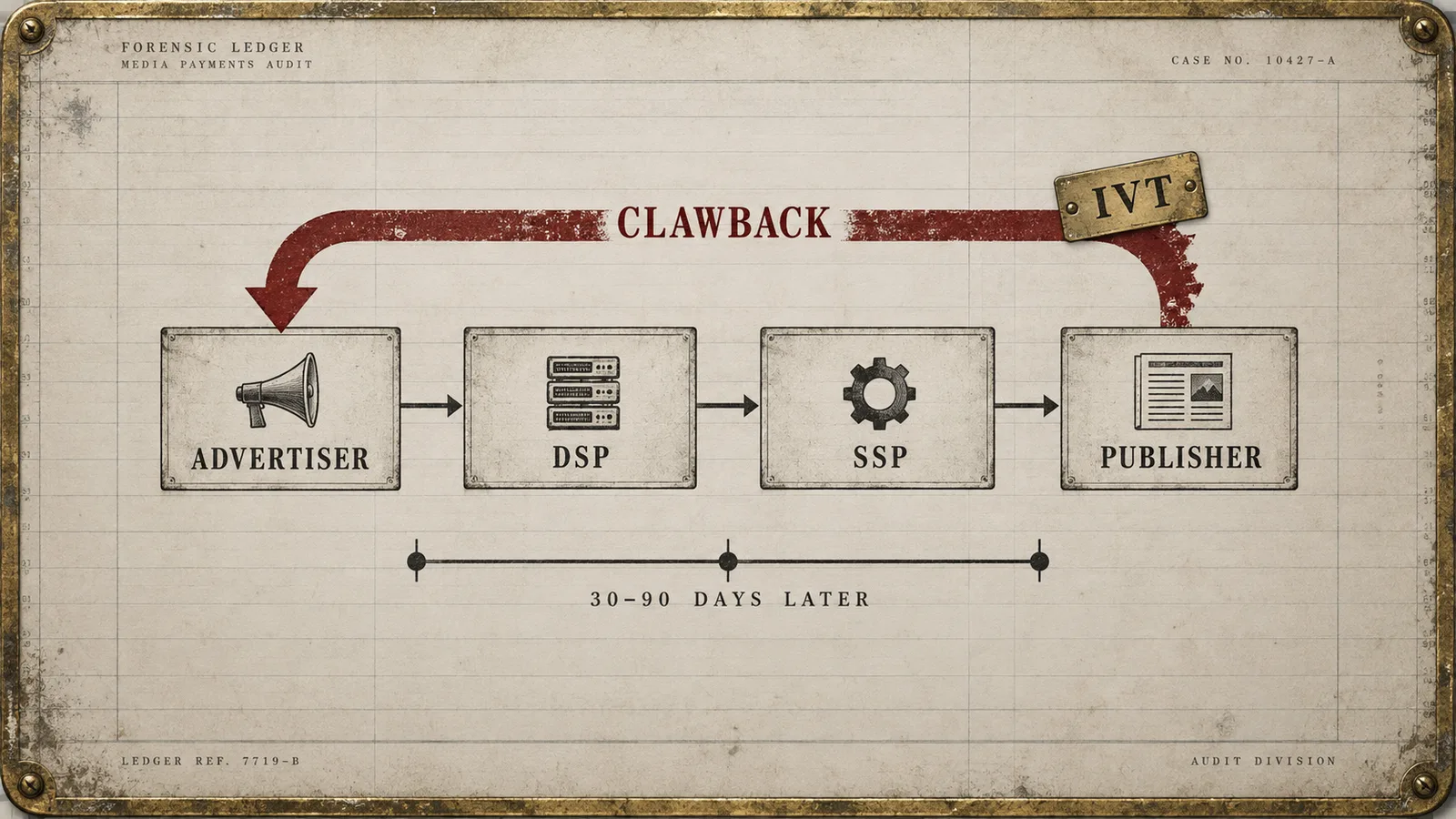
Close the quarter deliberately. Reconcile direct deal delivery against guarantees in the first week of January, ship any make-good impressions before they collide with February inventory, and confirm final invoice amounts with buyers while the campaign is fresh. We pay Net 30, so November revenue settles in the final days of December and December revenue in late January. Plan cash flow around those dates and raise any delivery disputes before the payment run.
Run the post-mortem with numbers, not opinions. Compare realized CPMs against your three September scenarios, segment by segment. CPM calculator work makes this concrete: convert Q4 revenue into effective CPM by placement, then compare it against the floor you ran, the open market clearing price and the direct deal rate. The gaps show where next year's money sits. Segments where clearing prices sat far above your floor deserve higher floors next October, and packages that sold out deserve higher rates.
Feed everything into the next forecast. Your Q4 actuals become next September's baseline, your sold-out packages become the next rate card, and your floor test results become the starting configuration instead of a research project. A publisher who runs this cycle twice holds a two-year seasonal dataset, and that dataset prices sponsorships more accurately than any external benchmark.
We run this playbook with publishers every quarter close, across web, app and CTV/OTT, in every country where Google monetization operates. If your current Q4 plan amounts to watching November CPMs, start with the September audit. The timeline compresses into four weeks from today, and the work pays for itself in the first week of peak demand.